About stainless steel
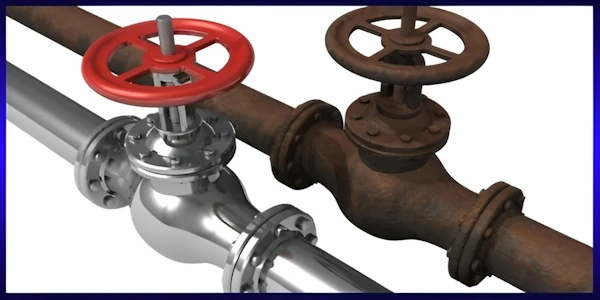
Stray current corrosion of stainless steel (electrocorrosion) is a type of corrosion that occurs in the presence of stray current. Stray current is current that flows in paths other than those provided by the circuit. The uniqueness of stray current corrosion of stainless steel is that it can only occur at the discharge point.
- Details
- Written by: ukirs
- Hits: 2167

In today's industrial world, consumers often face a choice between chromed metals and alloys and stainless steel. This decision is far from trivial, since these materials, although similar in appearance, have completely different physical and chemical properties. Each has its own advantages and disadvantages.
- Details
- Written by: ukirs
- Hits: 9033
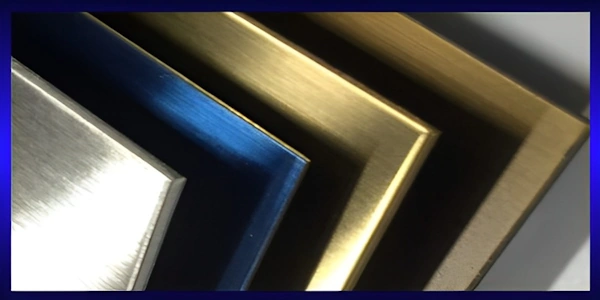
The compatibility of stainless steel with other metals depends on the specific type/grade of stainless steel and the metal it comes into contact with. Stainless steel is compatible with some metals, but there are some that when combined (in contact) form a galvanic pair, which can lead to rust and subsequent corrosion (bimetallic | galvanic | contact) of your product.
- Details
- Written by: ukirs
- Hits: 5494
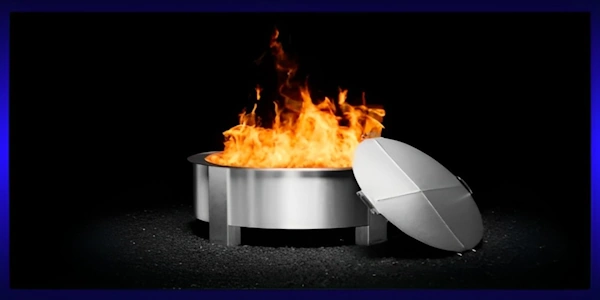
The maximum temperature of stainless steel in air depends on the type of stainless steel and the operating conditions. In general, stainless steels can be used in air at temperatures up to 870 °C. However, some types / grades of stainless steel can withstand higher temperatures. For example, AISI 316 steel can be used up to 1000 °C, and AISI 446 steel up to 1200 °C.
- Details
- Written by: ukirs
- Hits: 2559
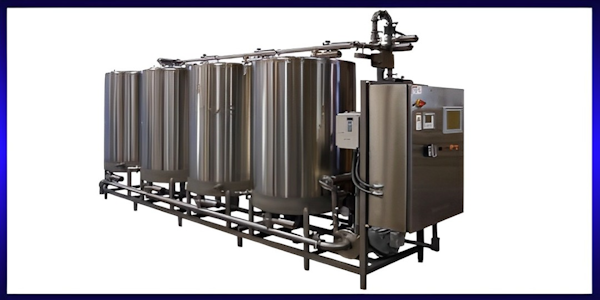
The chemical compatibility and resistance of stainless steel depends on the specific type, grade of steel and the environment with which it comes into contact. There are many different types of stainless steel, each with its own chemical composition and properties. The most common grades include AISI 304 and AISI 316.
- Details
- Written by: ukirs
- Hits: 5579

Corten steel (COR-TEN steel, corten steel, corten, Corten Steel) - this is weather-resistant steel (under certain conditions) or "rusty" steel, which belongs to the group of alloy steels that have high resistance to atmospheric corrosion. This is the case when the rust itself on the surface of the metal prevents the spread of rust deep into the material and makes its further destruction impossible.
- Details
- Written by: ukirs
- Hits: 1093